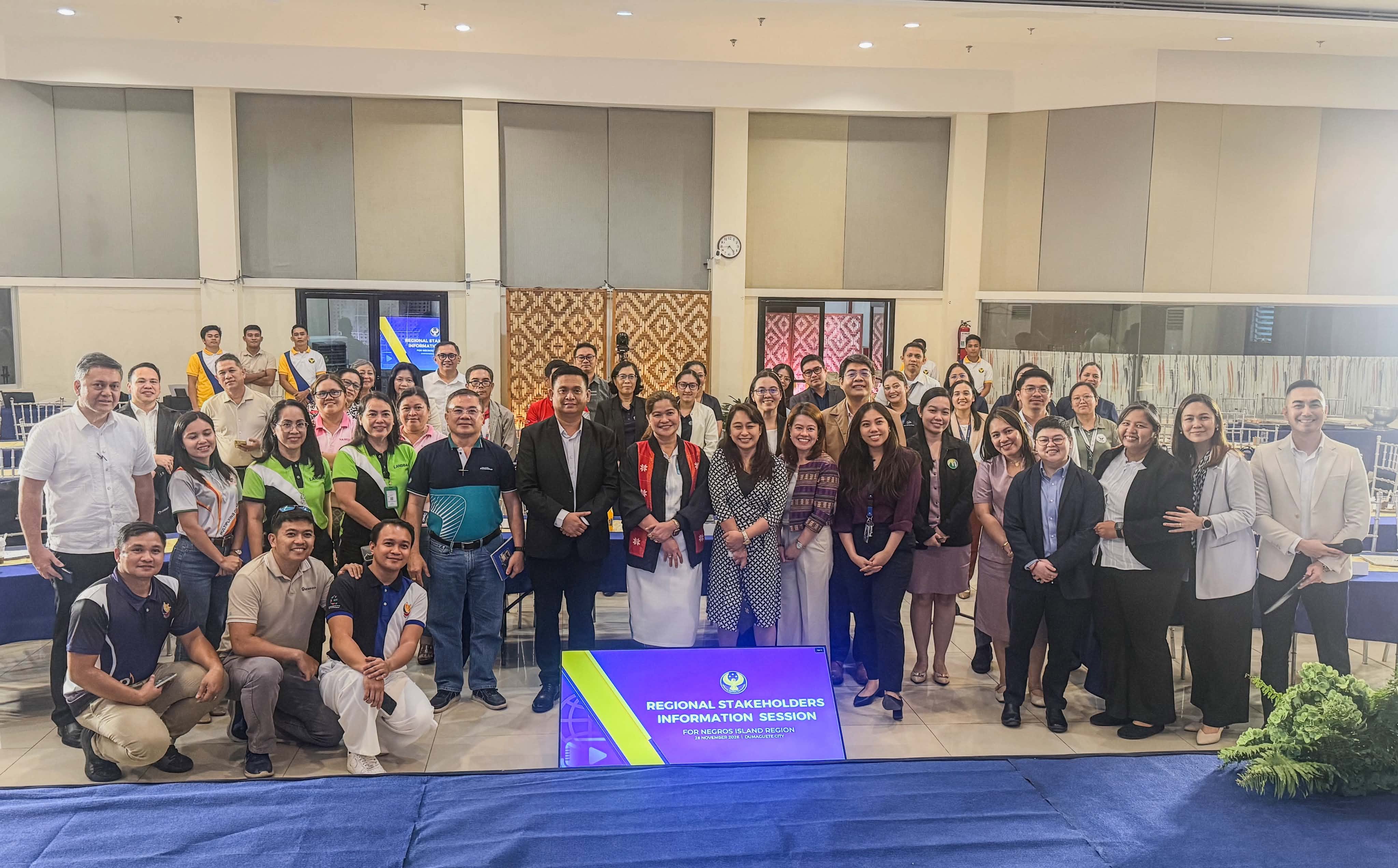
DUMAGUETE CITY, NEGROS ORIENTAL — The Bangko Sentral ng Pilipinas (BSP) convened its Regional Stakeholders Information Session for the Negros Island Region on November 26, 2026, in Dumaguete City. The program covered financial health, cybersecurity, and what consumers and financial institutions can do when scams occur. An audiovisual presentation also provided an update on the region’s economy.
BSP Deputy Governor Bernadette Romulo-Puyat delivered the welcome remarks. The afternoon’s three plenaries connected national initiatives with practical concerns for cooperatives and other local stakeholders, from helping households build emergency savings to responding when a member reports a suspicious transfer.
Helping households manage today and prepare for tomorrow
Kristine D. Orlina, Deputy Director of the BSP Financial Inclusion Office, described financial health through three familiar time horizons: everyday, rainy day, and one day. Households need to manage regular expenses, prepare for unexpected setbacks, and make progress toward goals such as education, housing, or retirement. Across all three, confidence comes from understanding one’s finances and having enough information to make decisions.
Orlina explained how the BSP’s work in financial inclusion, financial education, and financial consumer protection supports those goals. She cited Paleng-QR Ph Plus, which helps make digital payments useful for everyday transactions, and the BSP e-Learning Academy, which offers free, self-paced courses. She also discussed the Personal Equity and Retirement Account (PERA) as one option for long-term retirement planning.
For cooperatives, the discussion raised a practical question: how can services help members build financial habits they can sustain? Savings reminders, clear loan terms, and repayment arrangements that account for members’ capacity were among the examples discussed.
Recognizing cyber threats and responding to scams
Bernadette D. Bagtas-Bueno, Manager of the BSP Technology Risk and Innovation Supervision Department, explained how scammers use urgency and trust to persuade people to share sensitive information or send money. She also discussed money muling, in which accounts are used to receive or move scam proceeds. Her presentation highlighted how fraud monitoring can flag unusual activity for review and how local institutions can help communities recognize emerging schemes.
Joyce Catherine O. Juan, Bank Officer V of the BSP Consumer Protection and Market Conduct Office, presented the ALERT framework for responding to a suspected scam:
- Avoid further contact with the scammer.
- Lock affected accounts and devices.
- Gather Evidence, including screenshots and transaction reference numbers.
- Report promptly to the financial institution through its official channels.
- Tell the appropriate authorities.
Juan emphasized that the financial institution is the first point of contact for a disputed transaction. Prompt reporting gives the provider an opportunity to secure the account and investigate. She also discussed the BSP Consumer Assistance Mechanism as a route for escalating unresolved complaints involving BSP-supervised institutions. For staff handling reports, she emphasized listening with empathy, explaining the next steps, and keeping clients informed.
Regional economic update and implications for cooperatives
The audiovisual presentation reported that the Negros Island Region’s employment rate held steady between July 2025 and July 2026, while underemployment declined. It also noted an agricultural recovery in 2025, rising headline inflation, and an increase in banking offices. Dr. Gregorio E. Baccay III of the BSP Visayas Regional Office moderated the open forum, and Regional Director Anna Clara M. Oville delivered the closing remarks.
For PFCCO–Visayas and its member-cooperatives, the session offers material for member education and frontline staff training. A cooperative may be the first place a member turns to after a scam, even when the transaction took place through a bank or e-wallet. Knowing what evidence to preserve, where to refer the member, and how to explain the next step can help staff respond when time matters.